STATEMENT
Reflexiones sobre mi práctica artística
Construyo un teatro imaginario donde la naturaleza intenta sanar una herida profunda.
Los caminos no revelan el destino final, pero sí algunos pasos hacia adelante.
Y con algo de imaginación, es posible ver más allá.
En un contexto poco alentador para la humanidad, mis series buscan abrir una reflexión sobre nuestro presente y futuro, recordándonos que somos parte de un todo mayor: nuestro planeta.
Y con algo de imaginación, es posible ver más allá.
En un contexto poco alentador para la humanidad, mis series buscan abrir una reflexión sobre nuestro presente y futuro, recordándonos que somos parte de un todo mayor: nuestro planeta.
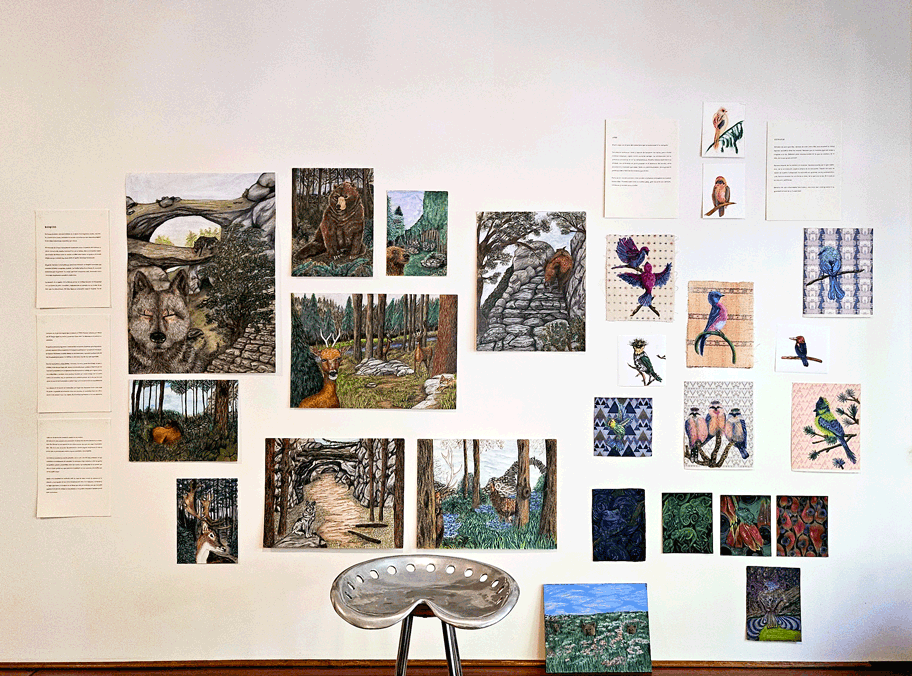
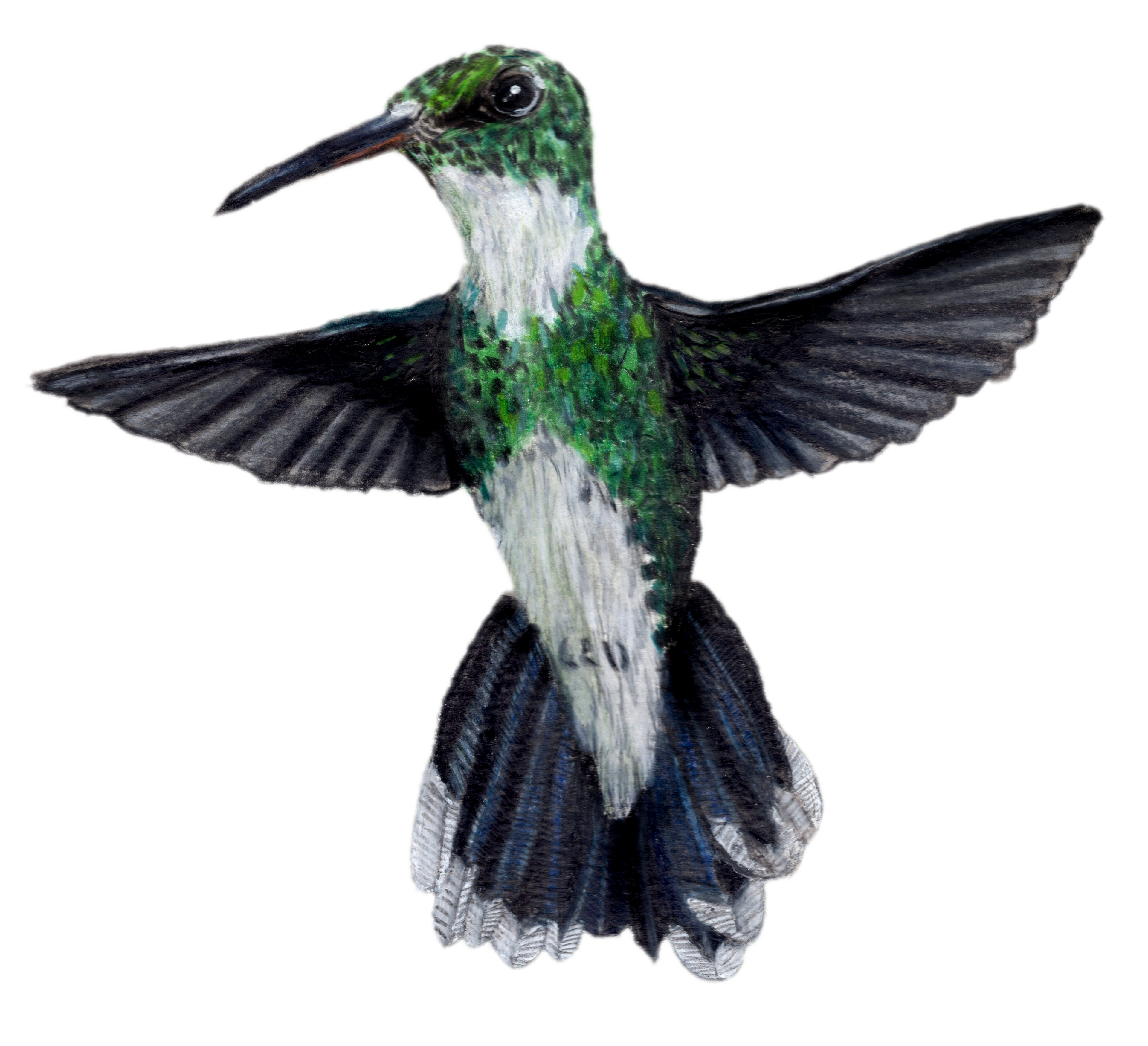
Trabajo principalmente con lápices acuarelables de colores, superponiendo capas que construyen imágenes de teatros, retratos, personajes e invenciones.
Capa tras capa, surgen mundos bellos, irreales e inquietantes.
Capa tras capa, surgen mundos bellos, irreales e inquietantes.
Creo firmemente que la humanidad, con voluntad y conciencia, puede transformar el presente para hacer del futuro un lugar menos doloroso para todos.
Reconocer nuestro lugar, nuestros privilegios y responsabilidades implica hacernos cargo del pasado para poder avanzar.
Reconocer nuestro lugar, nuestros privilegios y responsabilidades implica hacernos cargo del pasado para poder avanzar.
Mi práctica se nutre de lecturas filosóficas, políticas y sociológicas —de autores como Byung-Chul Han, Yuval Noah Harari y Vinciane Despret— que me ayudan a conceptualizar cada serie.
El retrato y la teatralidad son ejes transversales: aparecen en obras como Visiones y Retratos, donde exploro los conceptos de original, copia y transformación tanto en la producción humana como en la naturaleza.
En la serie Bosque, indago en la ausencia del ser humano y en la huella que deja sobre el planeta, como llamado a la reflexión y la responsabilidad ecológica.
El retrato y la teatralidad son ejes transversales: aparecen en obras como Visiones y Retratos, donde exploro los conceptos de original, copia y transformación tanto en la producción humana como en la naturaleza.
En la serie Bosque, indago en la ausencia del ser humano y en la huella que deja sobre el planeta, como llamado a la reflexión y la responsabilidad ecológica.
La escritura atraviesa todo mi trabajo como ancla y disparador.
Texto e imagen dialogan, se enriquecen y se expanden mutuamente.
La palabra es dibujo, y el gesto, huella de nuestra humanidad: su presencia y su ausencia se reflejan en la mirada del espectador, en ese intercambio silencioso entre quien observa y lo observado.
Texto e imagen dialogan, se enriquecen y se expanden mutuamente.
La palabra es dibujo, y el gesto, huella de nuestra humanidad: su presencia y su ausencia se reflejan en la mirada del espectador, en ese intercambio silencioso entre quien observa y lo observado.
Cada dibujo es una inmersión más profunda en ese territorio, un intento de dejarme guiar por las historias y sus claroscuros, sin resistencia, entregada al relato y su devenir
STATMENT
Reflections on my artistic practice
I build an imaginary theatre where nature seeks to heal a deep wound.
Paths rarely reveal their final destination, but they show a few steps ahead.
With some imagination, one can see even further.
In a context that is not encouraging for humankind, my series invite reflection on our present and future, reminding us that we are part of a greater whole: our planet.
With some imagination, one can see even further.
In a context that is not encouraging for humankind, my series invite reflection on our present and future, reminding us that we are part of a greater whole: our planet.
I work mainly with watercolor pencils, layering color and gesture to create images of theatres, portraits, characters, and inventions.
Layer by layer, these worlds emerge—beautiful, unreal, and unsettling.
Layer by layer, these worlds emerge—beautiful, unreal, and unsettling.
I believe that humanity, through will and awareness, can transform the present to make the future less painful for all.
To recognize our place, our privileges, and our responsibilities is to acknowledge the past in order to move forward.
To recognize our place, our privileges, and our responsibilities is to acknowledge the past in order to move forward.
My practice is nourished by philosophical, political, and sociological readings—from thinkers such as Byung-Chul Han, Yuval Noah Harari, and Vinciane Despret—which help me conceptualize each series.
Portraiture and theatricality are recurrent elements: they appear in works such as Visions and Portraits, where I explore ideas of originality, replication, and transformation in both human and natural creation.
In the Forest series, I investigate human absence through the traces left behind—a call to reflection on our actions and our ecological responsibility.
Portraiture and theatricality are recurrent elements: they appear in works such as Visions and Portraits, where I explore ideas of originality, replication, and transformation in both human and natural creation.
In the Forest series, I investigate human absence through the traces left behind—a call to reflection on our actions and our ecological responsibility.
Writing runs through all my work as both anchor and trigger.
Text and image dialogue, enriching and expanding one another.
The word becomes drawing, and the gesture, a trace of our humanity—its presence and absence reflected in the gaze of the viewer, in that silent exchange between observer and observed.
Text and image dialogue, enriching and expanding one another.
The word becomes drawing, and the gesture, a trace of our humanity—its presence and absence reflected in the gaze of the viewer, in that silent exchange between observer and observed.
Each drawing is a deeper immersion into that territory, an act of letting the stories lead me, surrendering to their light and shadow without resistance